Non-Invasive Sensors for Apheresis Systems
Reliable Blood Flow Rate Measurement and Air Bubble Detection for Apheresis Systems
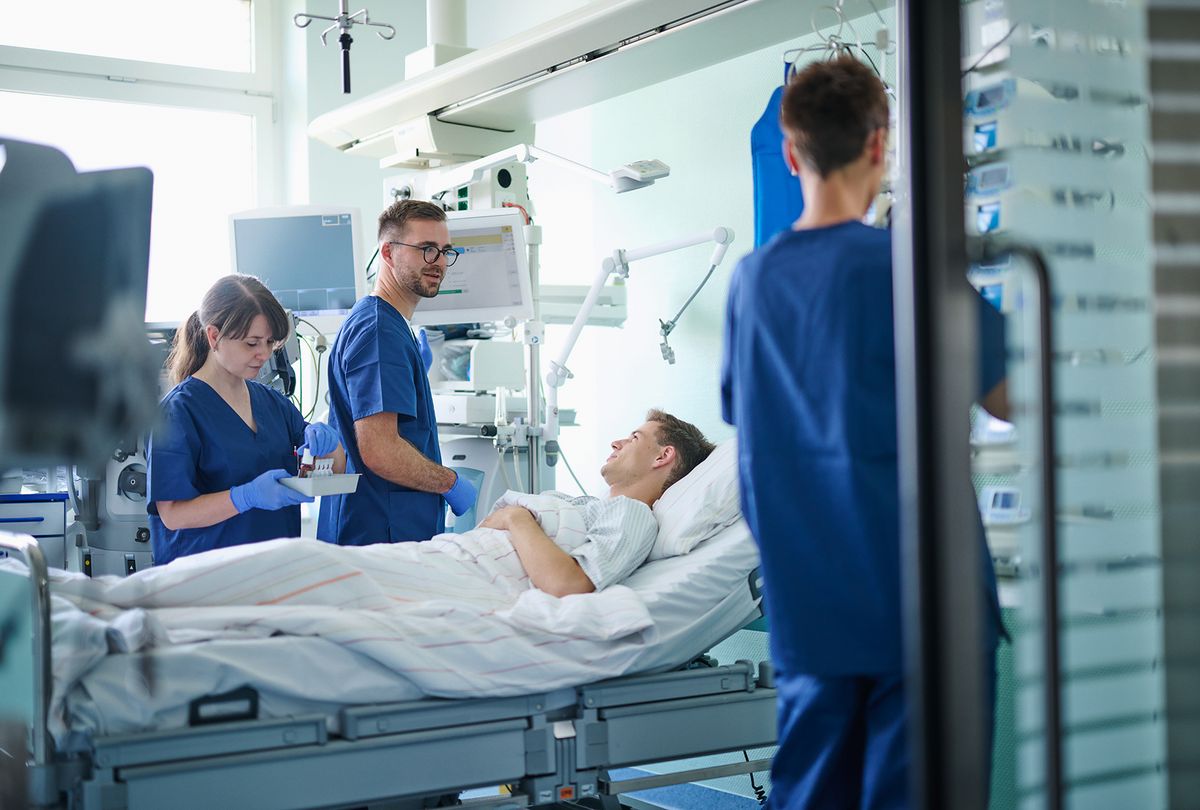
Apheresis systems are essential in transfusion medicine by enabling the separation of specific blood components such as stem cells, platelets, and plasma from a donor's blood. To prevent air bubbles from entering the donor’s bloodstream, apheresis systems are equipped with fail-safe air bubble detectors.
Get more details about our featured products:
Sensors for Safe Apheresis During Blood Donation
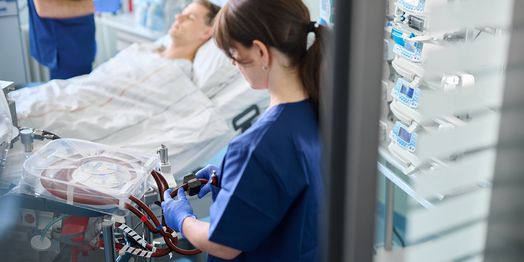
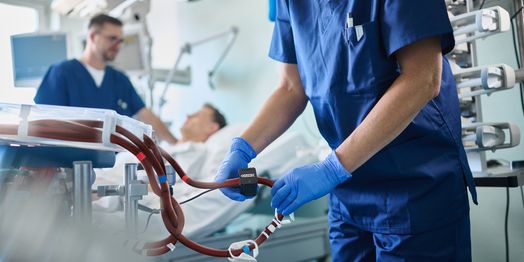
During the apheresis procedure, the donor's blood is circulated in a sterile, closed-loop process. Regardless of leukapheresis or plateletpheresis, a centrifuge or a membrane separates and isolates the desired components. These components are crucial in treatments for cancer patients, individuals with blood disorder, and for certain surgical procedures. The remaining blood is returned to the donor.
During apheresis, a certain amount of blood circulates outside of the human body and is returned to the donor. This might cause accidental air inlet. Thus, it is essential to monitor the entire blood flow to prevent the presence of air in the apheresis system.
Air Bubble Detectors Help to Prevent Air Embolism
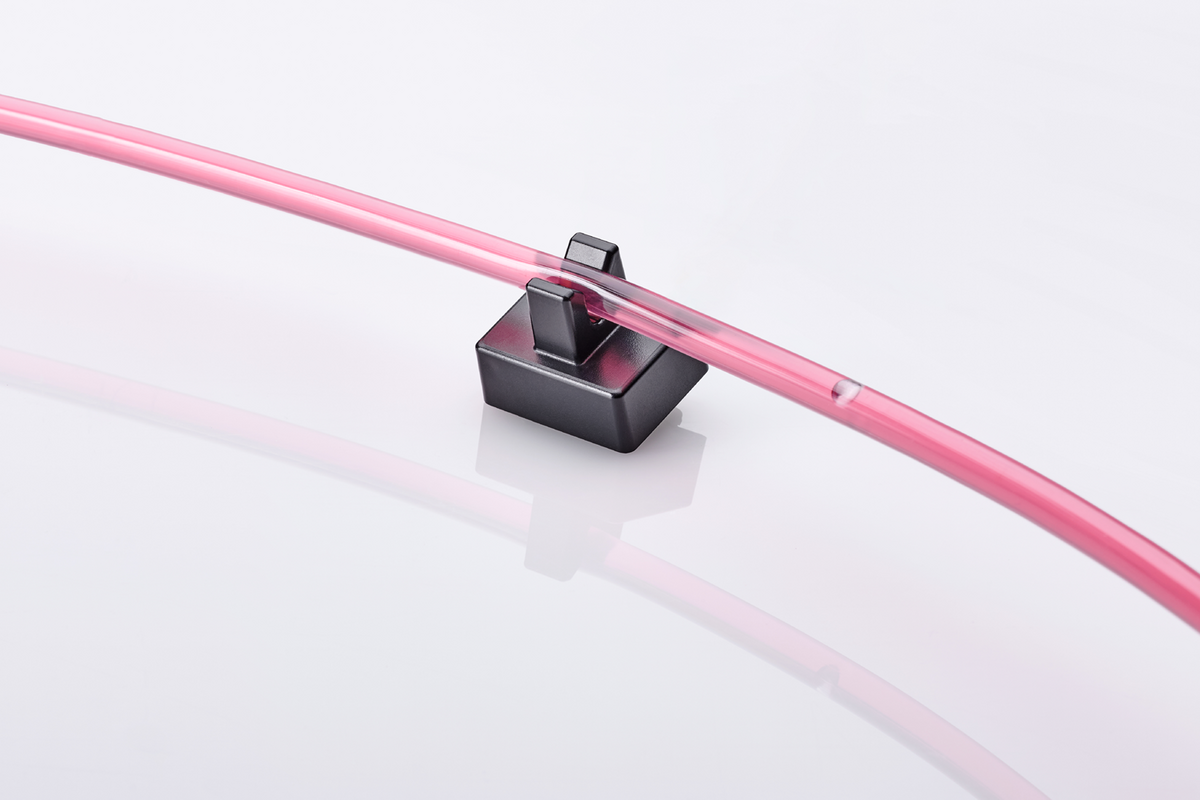
Non-invasive air bubble detectors, such as SONOCHECK ABD, continuously monitor the system and reliably detect air bubbles in the single-use tubing system to ensure safe return of the blood and prevent complications such as air embolisms. The clamp-on bubble sensors use the ultrasonic transmission technology to detect air bubbles in the blood flow by means of dynamic amplitude monitoring.
Flow Meters Monitor Blood Flow Rates
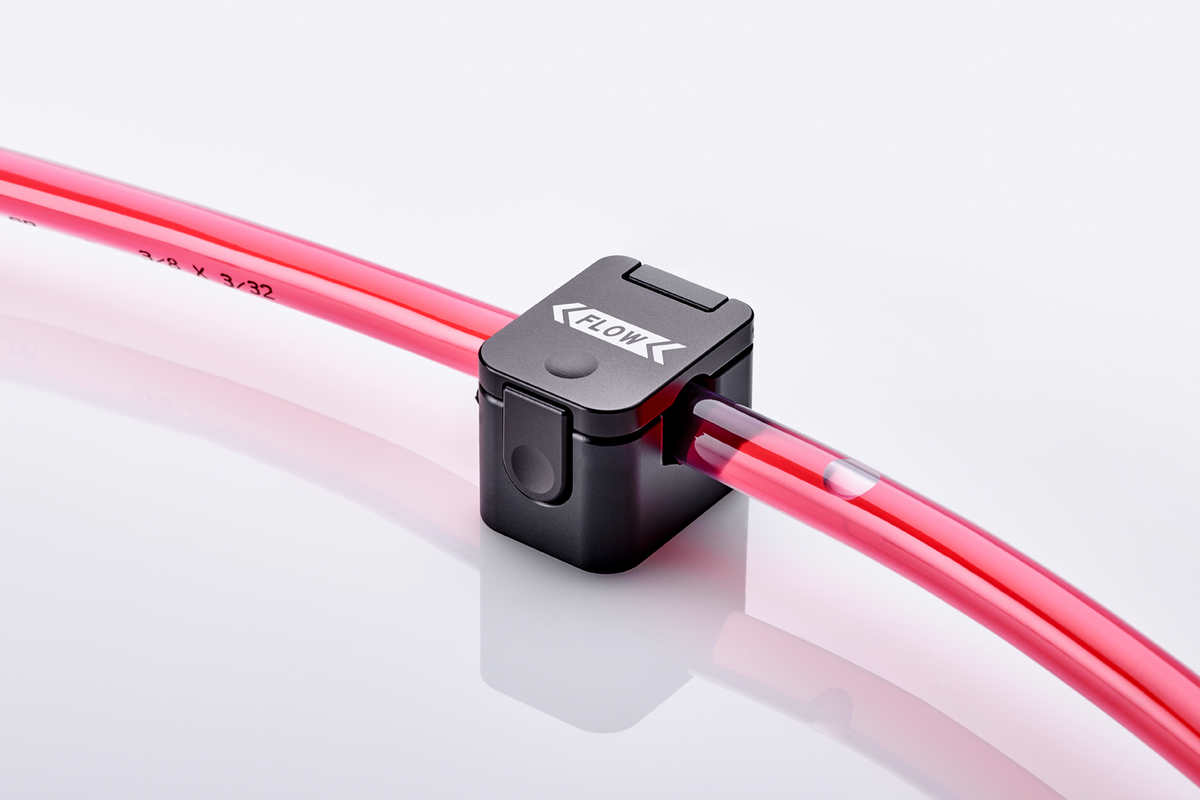
Using medical flow-bubble sensors, such as the SONOFLOW CO.56, to monitor the blood flow rate during apheresis is critical to ensuring the safety of the blood donor and the effectiveness of transfusion therapy. Accurate monitoring ensures adequate separation of components and prevents complications such as clotting or hemolysis.
Compliance with Strict Sterility
Non-invasive ultrasonic sensors measure through the wall of the tubing without contact with the blood. This ensures safe processing in a closed system, guaranteeing sterility during extraction and separation of the components.
ISO 13485 – Certified Product Quality
High demands on sensors place high demands on sensor manufacturers. We have been developing, manufacturing, and selling sensors for medical devices since 1991. For this reason, we are certified according to both ISO 9001 and ISO 13485.
Why are flow meters and air bubble detectors important for apheresis systems?
- Reliable air detection reduces the risk of air embolism and is life-saving for the donor
- Accurate flow rate monitoring for adequate separation results
Benefit from our flow meters and air bubble detectors!
- Non-invasive clamp-on air bubble detectors comply with the strict hygienic requirements during apheresis


Application Fields for Non-Invasive Clamp-On Sensors
More Information about Non-Invasive Ultrasonic Sensors
Do you have any questions?
Feel free to contact us! We will be happy to help you.